 |
|
 |
My name is Bob Jenkins and I created this website to provide genealogy information and links to genealogy information to assist people in researching their Guam ancestry. I would appreciate any contribution that you would like to make to this site: biographies, obituaries, birth, marriage, death info, grave info, photographs....etc |
Use the box
below to search for Guam data |
| A brief history:
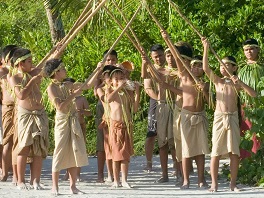
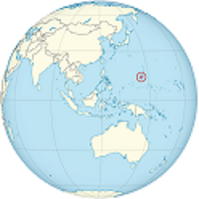
(from wikipedia) Guam (/ˈɡwɑːm/ ); Chamorro: Guåhån Chamorro pronunciation: [ˈɡʷɑhɑn]) is an unincorporated and organized territory of the United States in Micronesia in the western Pacific Ocean. It is the westernmost point and territory of the United States, along with the Northern Mariana Islands. The capital city of Guam is Hagåtña and the most populous city is Dededo. The inhabitants of Guam are called Guamanians, and they are American citizens by birth. The original inhabitants of Guam and the Northern Mariana Islands were the Chamorro people, who are believed to be descendants of Austronesian people originating from Southeast Asia as early as 2000 BC. |
| Biographies |
Births | Census | Cemeteries | Deaths | History |
| Marriages | Message Boards/Queries | Military | Obituaries | Photos | Resources |
| Misc |
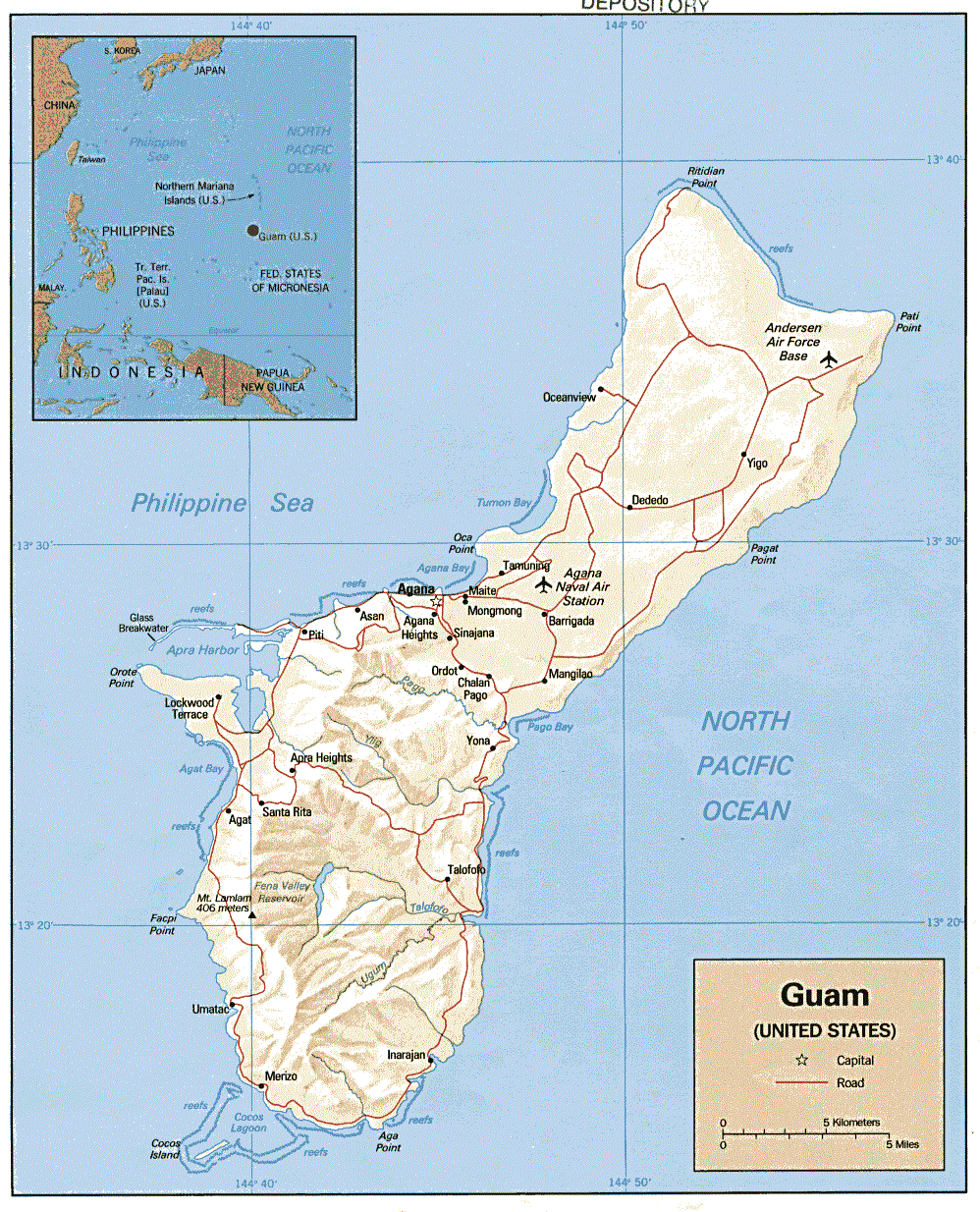
Vital Records | Guam Map | Northern Mariana Islands Genealogy |
| This site recognized by FamilyTree Magazine | ||||
 Press release Oct 2021 |
 |
 |
 |
 |