My name is Bob Jenkins and I created this website to provide genealogy
 information and
links to genealogy information  to assist people in researching
 their  Guam ancestry
.

 I would appreciate any contribution that you would like to make  to this site:
 biographies, obituaries, birth, marriage, death info,  grave info, photographs....etc
                                                                                              
  Use the box below to search for
  Guam data


🇬🇺 Brief History of Guam

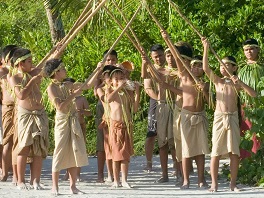
Guam’s history stretches back more than 4,000 years, making it home to one of the oldest cultures in the Pacific. Its Indigenous people, the CHamoru, developed a distinct language, matrilineal clan system, and the iconic latte stone architecture long before European contact.

🌺 Ancient Settlement (ca. 1500–1400 BCE)

  • The Mariana Islands, including Guam, were first settled by seafaring peoples from Island Southeast Asia, likely the Philippines.
  • Archaeological evidence—such as red‑slipped and stamped pottery—links early CHamoru culture to Philippine Neolithic traditions.
  • Genetic studies confirm strong Philippine ancestry and show the Marianas were settled independently of later Polynesian migrations.

✝️ Spanish Era (1668–1898)

  • Guam became Spain’s first colony in the Pacific after Jesuit missionaries established a mission in 1668.
  • Spanish rule reshaped CHamoru society through Christianity, new governance structures, and population decline from introduced diseases.
  • Over time, CHamoru culture blended Indigenous and Spanish influences, forming many surnames, place names, and traditions still seen today.

🇺🇸 U.S. Naval Administration (1898–1941)

  • After the Spanish–American War, Spain ceded Guam to the United States in 1898.
  • The U.S. Navy governed the island, modernizing infrastructure while limiting CHamoru political rights.
  • CHamorus repeatedly petitioned for U.S. citizenship during this era.

⚔️ Japanese Occupation (1941–1944)

  • Japan invaded Guam on December 10, 1941, beginning a harsh three‑year occupation.
  • CHamoru families endured forced labor, displacement, and violence until U.S. forces liberated the island in August 1944.

🕊️ Post‑War & Organic Act (1944–1950)

  • After liberation, the U.S. military rebuilt Guam and expanded bases.
  • The Organic Act of 1950 granted U.S. citizenship to CHamorus and established the Government of Guam.

🌅 Modern Guam (1970–Present)

  • Guam elected its first governor in 1970, marking a major step toward self‑government.
  • Tourism and the U.S. military remain central to the economy.
  • CHamoru cultural revitalization continues, with ongoing efforts toward political self‑determination.

📘 Why This Matters for Genealogy

  • CHamoru family lines often follow matrilineal traditions.
  • Spanish colonial records (baptisms, marriages, censuses) are key sources for 17th–19th century genealogy.
  • U.S. Naval and post‑war records provide detailed 20th‑century documentation.
  • Many surnames reflect Spanish influence, while clan names (gå’ga’) preserve older CHamoru identities.


Biographies Births Census Cemeteries Deaths History
Marriages Message Boards / Queries Military Obituaries Photos Resources
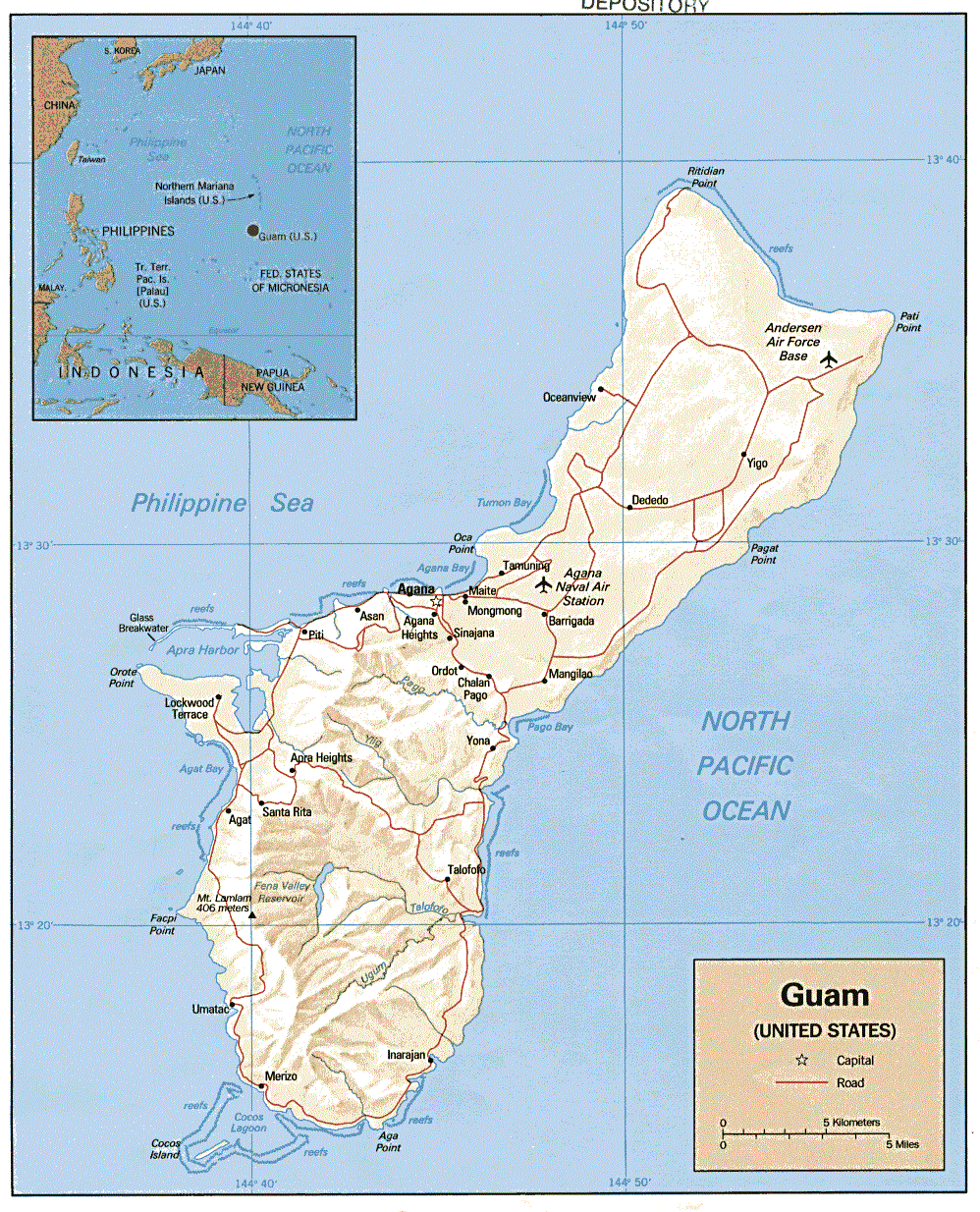
Misc Vital Records Guam Map Northern Mariana Islands Genealogy


Jenkins Genealogy Research Menu


This site recognized by FamilyTree Magazine
Family Tree Magazine Best State Website 2021
                    badge Family Tree Magazine Best State Website 2022
                    badge Family Tree Magazine Best State Website 2023
                    badge Family Tree Magazine Best State Website 2024
                    badge Family Tree Magazine Best State Website 2025
                    badge